Categories
Student Life

So you want to study fashion design?

Jaiden Shoushounova LaSalle College Vancouver

Pexles Stock Photos

So you want to study fashion design? Let me tell you right here, and now that fashion design is much more than just creating a sketch then sewing away on a machine. There is so much time, thought, and effort put into every piece of clothing you will make, and you need to have a strong work ethic even to reach that point.

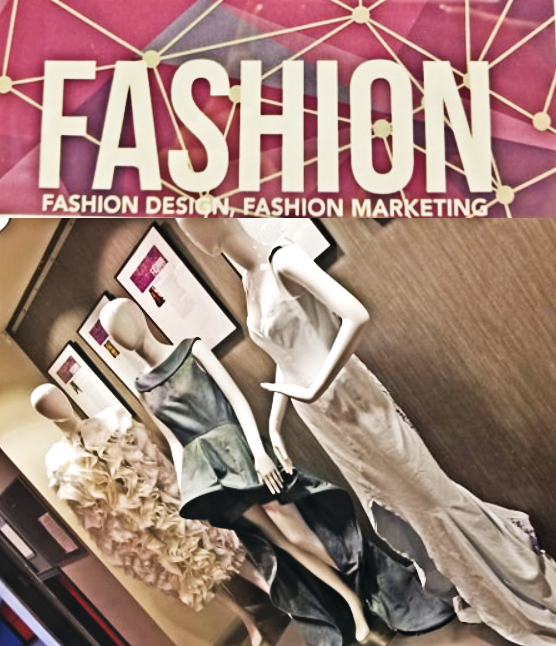
Let me break it down for you on what classes are like. At LaSalle College Vancouver, specifically the fashion design diploma program. Your classes will mostly be design/construction focused; however, you also get a handful of marketing/business classes that will benefit you and help the school stand out from others, hence why It was my top college choice. I will tell you about the three main courses you will come across in most fashion schools.
Pexels Stock Photo

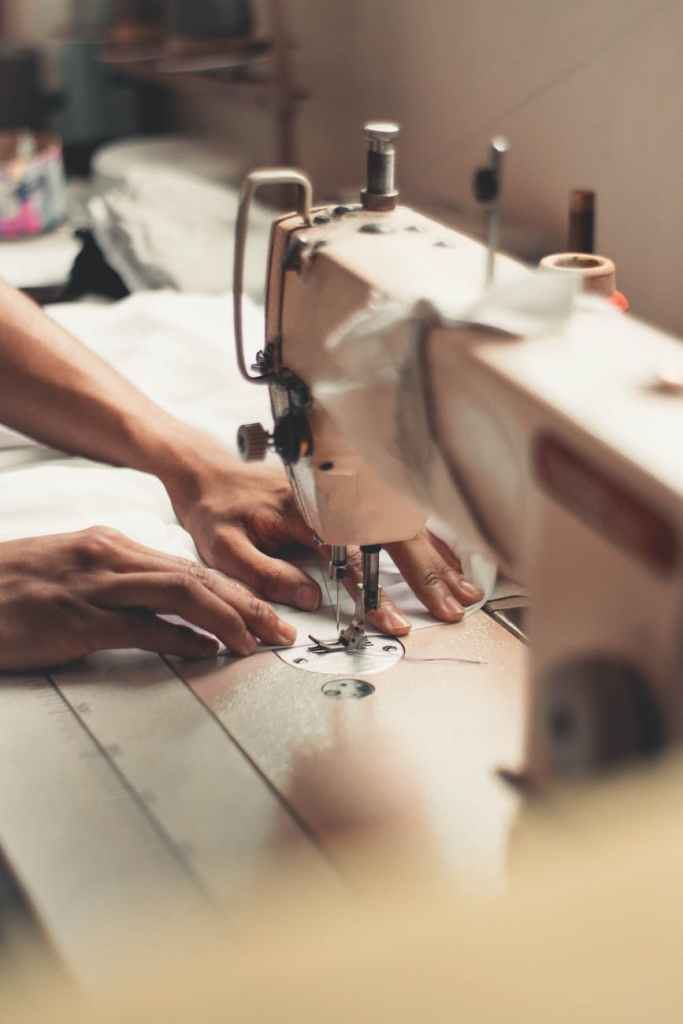
In a construction class, or as you may know it as a sewing class, the instructors will explain the type of garments you will be making in that class. In most of my classes, we do 3-4 basic garments and one big final garment; along with those smaller, more basic projects, you have to create samples which are essentially professionally done tests for specific design elements i.g, A collar or placket. You get about two weeks per project roughly and have a midterm project (could be a dress with pockets as an example). The final project generally includes some of the previous sample work you learned incorporated in pervious projects with your own design details.
Adobe Stock

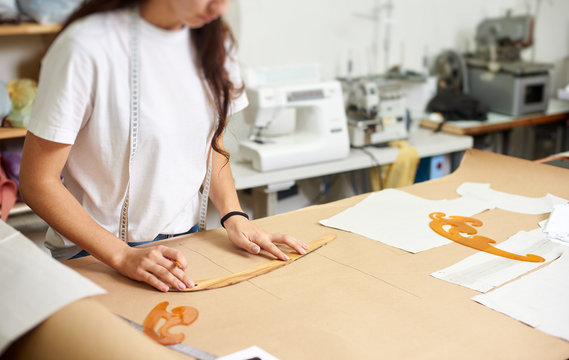
The next type of class we do is a pattern-making class. Pattern making, in my opinion, is the most difficult (it’s the math that gets me). This time, you’re the one making patterns from scratch; that’s right, you need to calculate the basic measurements of an industry standard sized model and get everything down to the last centimeter. Pattern drafting is very time-consuming, and if something is off even by a millimeter, your projects will not turn out correctly. This type of class requires the most patience and precision.

Adobe Stock

Lastly, I will discuss the marketing classes. In these classes, you do lots of research and make many PowerPoint presentations and essay writing. You get to learn about consumer behaviors’, trend forecasting (my personal favourite). You get the opportunity to interview people and take a look at some fashion history and learn about how fashion has evolved over the years. The presentations can be long for these classes and sometimes the information can overload your brain. Still, the fashion industry is so fascinating that you will be mesmerized by every lecture, and you will always be learning something new.

Adobe Stock

Along with the marketing classes, you will come across concept classes, and these are the brains behind your collection. You can’t just make random outfits and throw them on a runway. You want your audience to have a feeling towards your collection and share an emotional response to it! Concepts will not always come easy to you, and they will continuously be evolving; they are the core of your inspiration; they are the story you want the clothing to tell when you watch it go down the runway.

Hopefully, this article helped break down what you can expect when studying fashion design. I’m in my 6th quarter of school here (two more until graduation!), and trust me, it has been a roller coaster of a time, and I wouldn’t trade it for the world. I adore watching my designs come to life, the late nights in the labs with friends all stressed out and drinking way too much coffee, learning about the industry, getting fantastic opportunities to meet great people and hopefully becoming an inspiring designer or stylist in the future. If you’re considering fashion design, I highly recommend going to school for it, and there is so much you will learn that I never even knew about, and I think it’s a great thing to pursue.


Categories
Student Life Tips and Tricks

Attending Fashion School Online Plus Tips For At Home Studying!

Jaiden Shoushounova LaSalle College Vancouver

Photo by cottonbro on Pexels.com

Due to the recent events that have occurred, schools and workplaces have moved online. You might be wondering, how does one do fashion design online? Luckily fashion design is not limited to just using a sewing machine like most people may assume. There are many aspects to fashion design that do not involve construction and that is what we are focusing on online.


Before the pandemic began, some students were scheduled to have sewing classes. However, that would not be easy for instructors to teach from home, especially when students are required to do most of their sewing on the school’s industrial machines under teacher supervision. Fashion design offers many research opportunities including history, theories, and business aspects that are essential for any designer to learn. So construction classes were swapped for research and theory based ones.

Now you might be asking, “how do you attend these online classes?” My answer to that simple, We use the school programs ilasallecampus and Omnivox Lea as well a supplement with Adobe Connect and Microsoft Teams.

Now it is time for some advice for your at-home studying needs. I was homeschooled my entire life, so I have a couple of study tips up my sleeves. These tips may be very basic, but it is generally the little things that make a difference.

  1. Do not wear pajamas: Pajamas are associated with comfort and sleep. You will likely feel less motivated and focused on your work if you wear them. I encourage you to put on some “normal clothing” to help keep you awake.
  2. Sit at a table, not your bed: This is for the same reason as the pajamas, your mind associates your bed with sleep. It will be harder to maintain focus if you’re in a comfortable location like your bed, so sit upright at a table.
  3. Turn off your phone/social media: Get rid of those distractions. It’s much easier to focus in online classes without your phone. Turn it off, leave it in a different room, and even turn off social media access on your computer. You can block websites that aren’t school-related by setting time limits in your internet settings. Use google for detailed instructions.
  4. Make a schedule and stick to it: This is so basic yet so useful. Don’t make a long and complicated schedule as it can be discouraging. But a simple study schedule broken into three or four chunks of the day can be useful. You know what needs to be done, a schedule can help you stay on task and feel more productive.
  5. Stretch, Move, Breath: You need to take breaks, and I don’t mean scrolling through Instagram for 15 minutes. You need to get up and move around. Do some light stretching and focus on breathing. Mindfulness is an excellent life skill. It is super useful for studying as it helps relieve your mind and body, keeping you focused on the task at hand.

That concludes this weeks article. I hope you learned something new and will take my advice for being productive while studying at home. Remember to relax and just enjoy what you are learning no matter what the format you’re being taught in.

Proof reading and editing by Amber Rose Akien

Categories
Local Talent Student Life

The First Ever LCV Fashion Laboratory

Hey everyone, Amber Rose here.

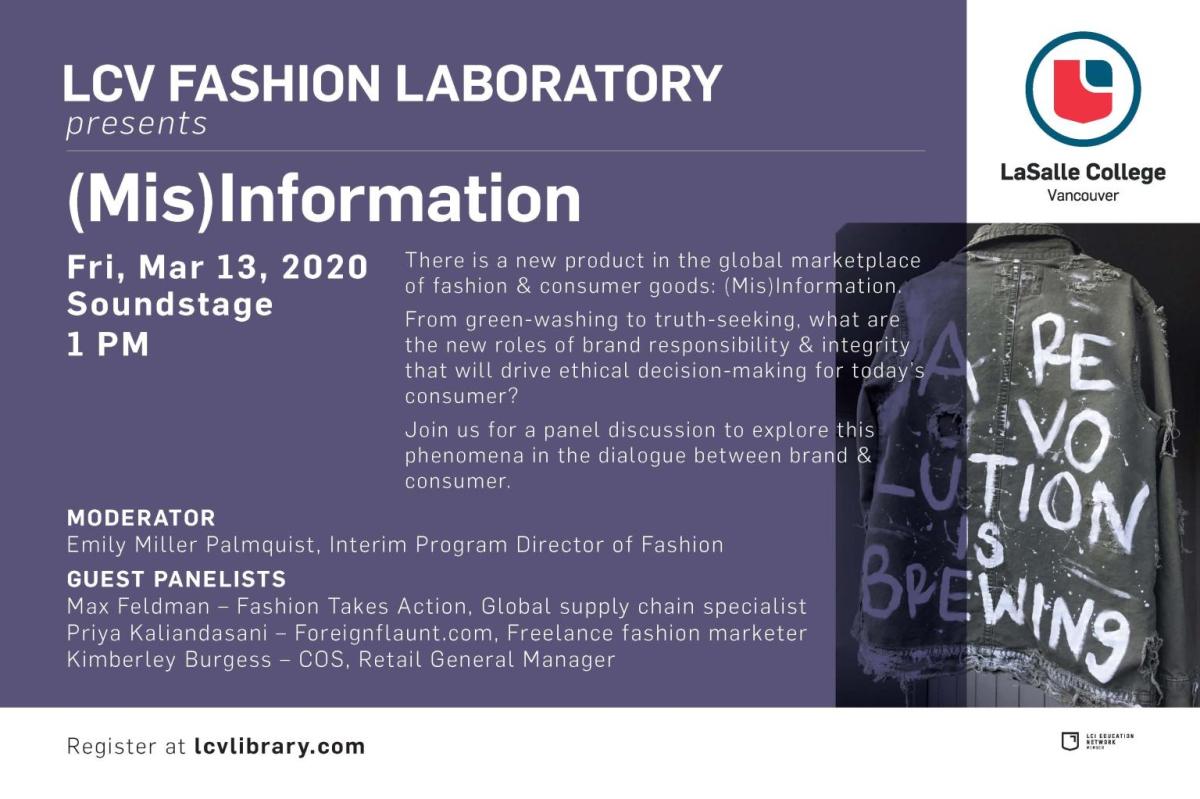
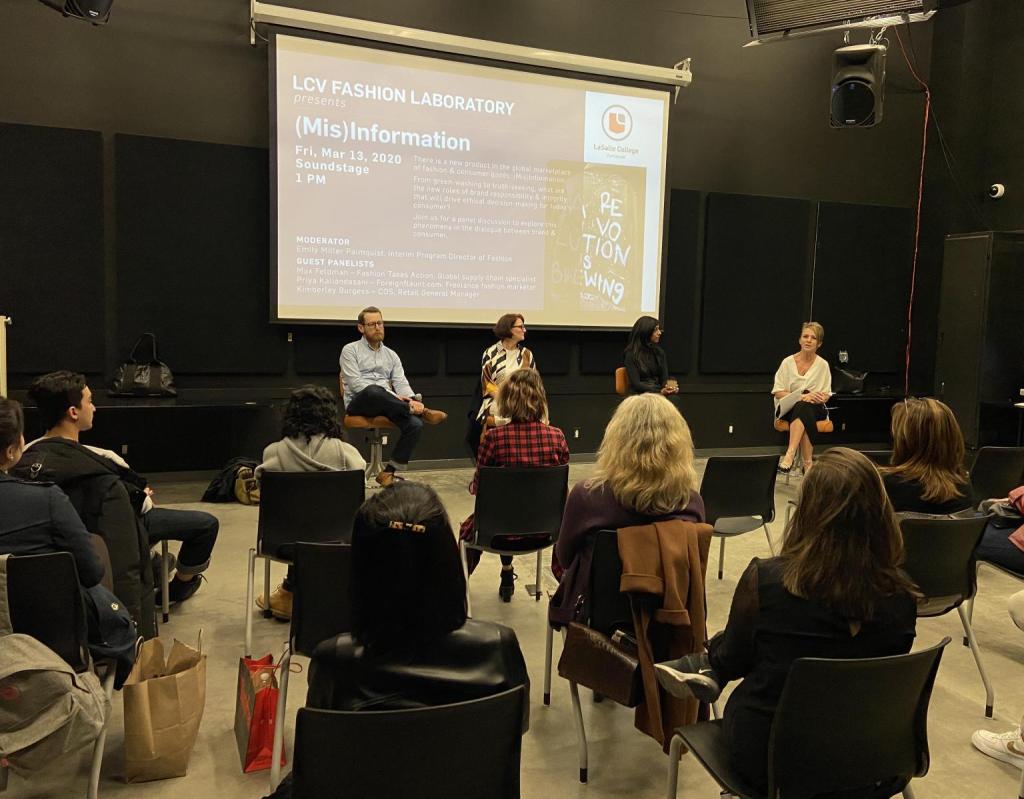
Today, I’m reporting about the first-ever LCV Fashion Laboratory, an event held by my Fashion and Creative Industries class on Friday March 13th.

Photo: Adriana Sanchez on LinkedIn

As our final assignment, my class planned and hosted a panel event with three industry guests to speak about our chosen topic.

The theme and tagline we chose were: War on Fashion – A Minefield of (Mis)Information: Navigating the Dialogue Between Brand and Consumer.

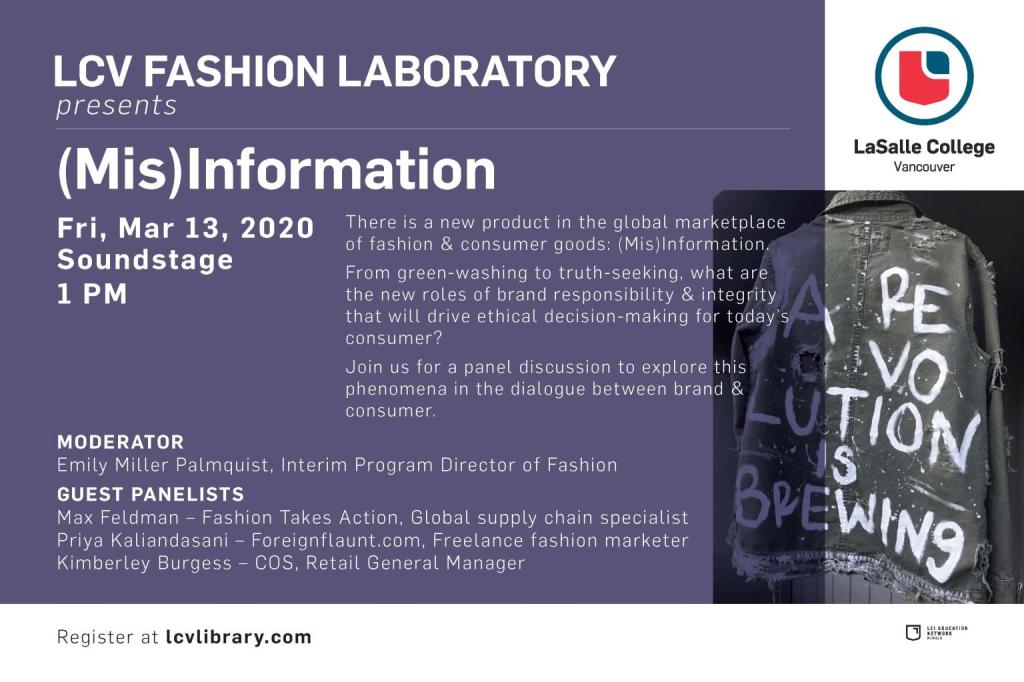
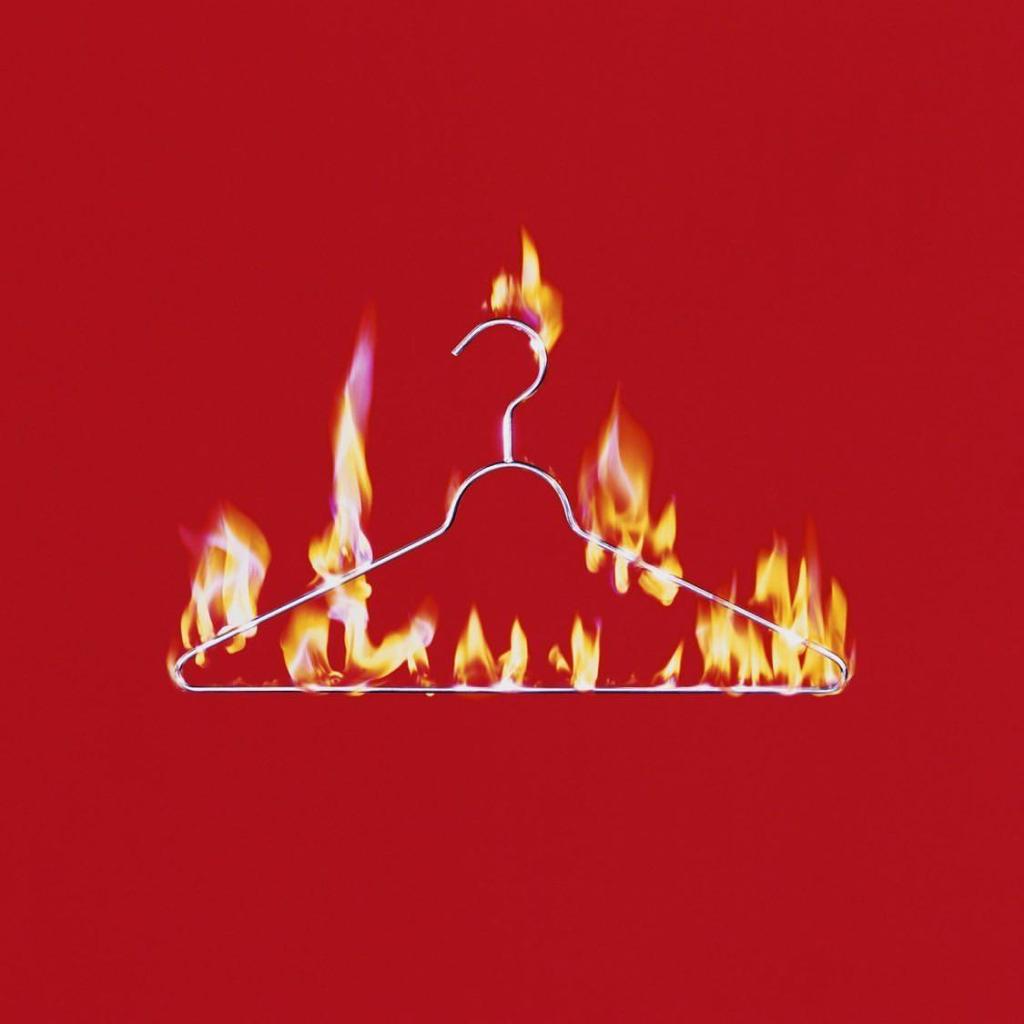
Unfortunately, this tagline and the image of a flaming hanger that we chose didn’t make it on the school poster.

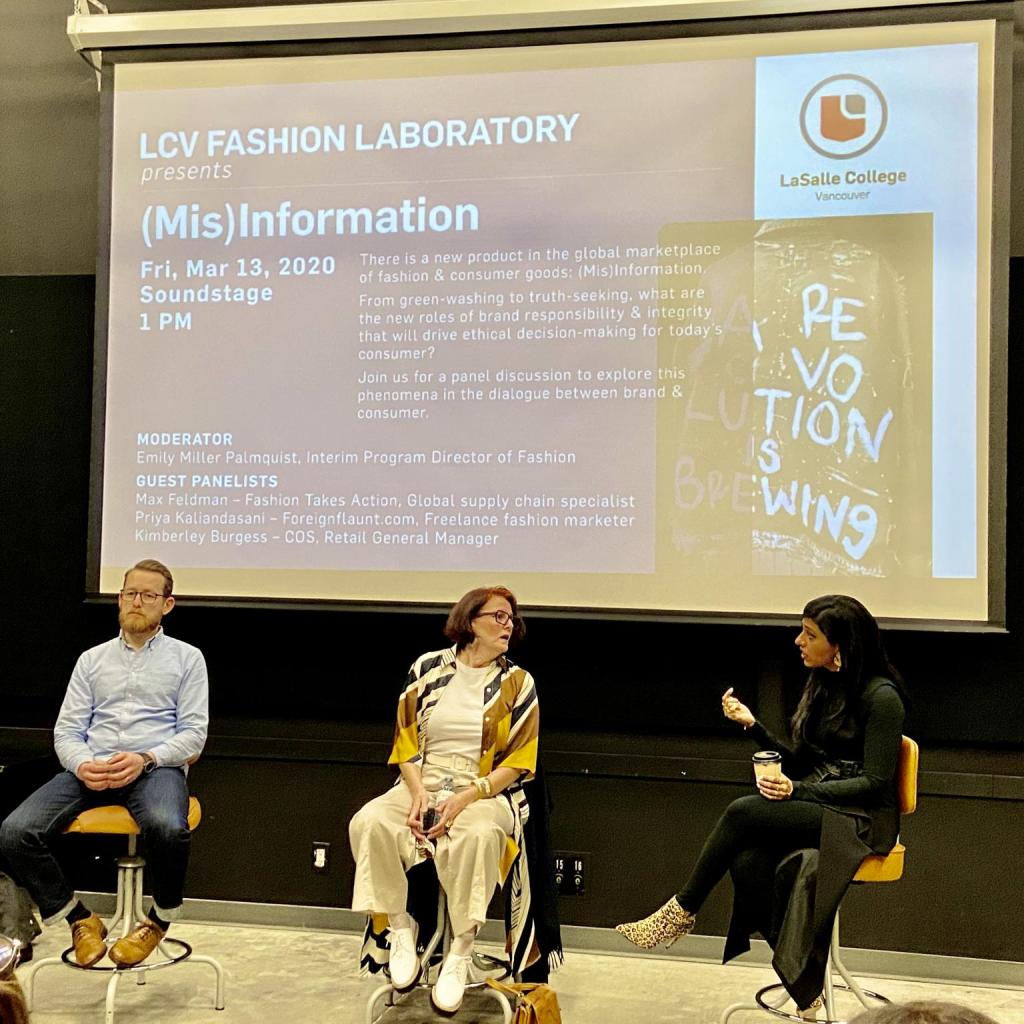
Our guests were:

Max Feldman: Supply Chain Specialist

Kimberley Burgess: Retail General Manager

Priya Kaliandasani: Fashion Marketer

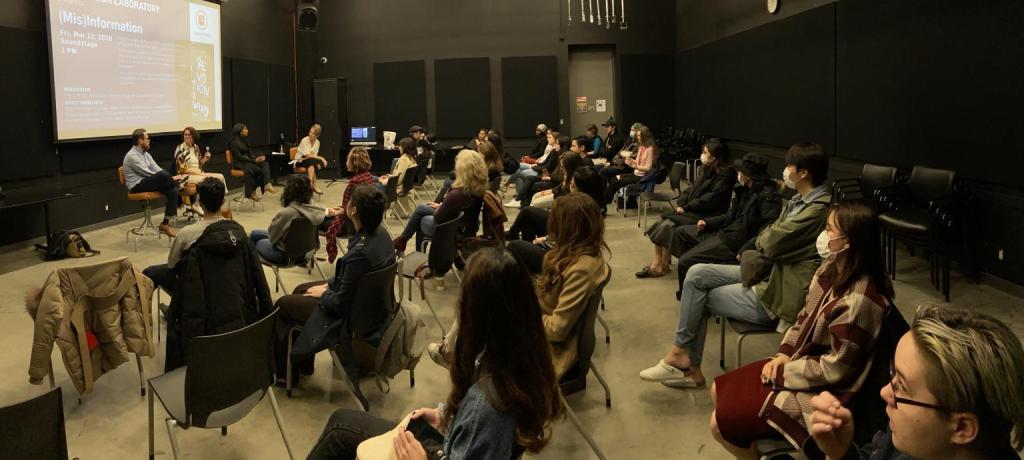
Photo: Adriana Sanchez on LinkedIn

These three were great guests to have with the topic we had chosen. They were all fantastic speakers and approached the subject from a different point of view. This provided the audience with a variety of ways to look at communications between brands and consumers. We learned about things to look for as a consumer and were informed about how difficult it can be for brands to change in order to meet consumers’ demands. This is especially true for large companies with complex supply chains.

Given the growing situation with COVID-19 we were expecting very few guests. In a normal setting, we could have had standing room only, but we did fill most of the chairs. There were more people than we thought and they were very engaged with the topic. My classmates and I asked questions, as well as a few audience members. This showed us that we picked a topic that was interesting and relatable. We live in a time when people want more from clothing brands. This panel allowed us to get an inside perspective and see a bigger picture of how consumers can ask for what they want and how brands can give it to them.

For a first time event, it ran rather smoothly. The speakers were wonderful, the audience was intrigued, and the two-hour time slot was just the right amount of time. Hopefully, we will see more events like this at LCV in the future.

Stay tuned for interviews with each of our panelists as I conduct industry interviews to highlight the variety of positions available in fashion.

Categories
Student Life

The Start Of Fashion College Experiences

By Jaiden Shoushounova LaSalle College Vancouver

Fashion college is a great experience so far. As a second semester student at LaSalle College Vancouver, I have some knowledge about the basics of fashion school and even some advice you may find handy along the way. I am going to share my experiences and a brief description of what courses I have taken.

First things first, fashion school is very serious work. If you’re considering going to any fashion school, be prepared for lots of hard work. Fashion is always changing, and it takes a lot of effort to keep up with the trends and reflect what is current in your assignments. The homework will not be easy, you need to love what you’re doing to achieve good results. You will spend hours working on something, but it may not turn out the way you envisioned, you might create hundreds of designs just to get the perfect 6.

It will be expensive but worth the money. Most, if not all design schools, will have a pretty high tuition but believe me when I tell you it is worth it. My specific school, and I assume most design schools as well, offer the most current equipment and industry resources that would be next to impossible to access if you weren’t a student. You can use professional websites and programs like WGSN and Adobe, which are either included or offer you a student discount! The best sewing machines, sergers, dress forms, you name it!

Networking and experience are super important in the fashion industry, you need to form strong connections with everyone you meet and what’s a better way than in college! Your instructors will have worked in the career field you’re interested in, they have the life experience and advice to help you achieve your goals! Colleges also offer a lot of opportunities to get out there and work in the field, whether you have an assignment to report at fashion week, interview a local designer, or even help a brand market! All of these will not only help you network, they will provide industry experience that could be added to your resume.

The first semester was all about the basics, without basics, you will not get very far, especially if you start with little to no experience. So I learned the basics which included the principals and elements of design, perspective for drawing, digital editing on Photoshop, colour theory, and of course, a basic fashion introduction on marketing and design we called it Survey of The Fashion Industry. After that semester/term, I started to learn about textiles, fashion illustration, the history of fashion, and more fashion marketing as it’s essential for us as designers also to understand the basics of marketing. Also, you would typically have pattern drafting and sewing classes in the first two semesters as well, but I adjusted my course load and haven’t done them yet. LaSalle College Vancouver offers a lot of student services to help you do your best and flexible scheduling is part of that. Always look at what services your school offers and take advantage them.

With that all being said, I highly encourage you to look into studying fashion as it is such an amazing experience. You will meet and work with some great people and make the best memories while gaining industry experience. I am only in my second semester and I have already learned so much. I look forward to all the opportunities the future has for me and my fellow classmates.

Proof reading and editing by Amber Rose Aiken

Design a site like this with WordPress.com
Get started